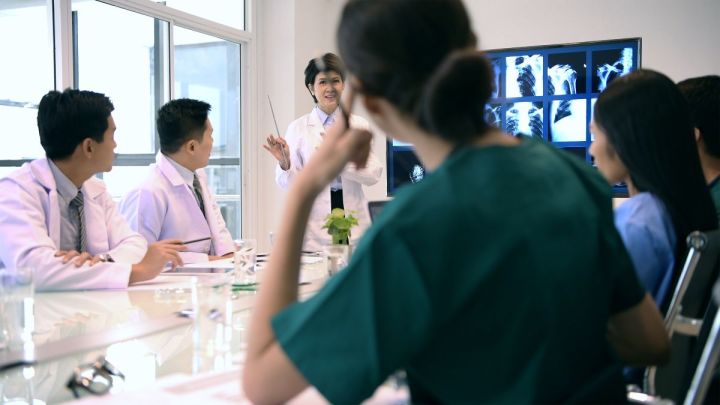
Healthcare video production calls for a different kind of sensitivity than most corporate assignments. Patient stories, clinical explanations and hospital environments all come with constraints that a general production crew may not be used to working within.
Vivid Media, a Singapore‑based media production company, has developed a growing portfolio of healthcare‑related video projects. These include collaborations with hospitals and organizations involved in medical education and patient care. This guide outlines how their experience translates into practice, from brand films and animated explainers to the coverage of healthcare initiatives.
- Brand Films For Hospitals And Healthcare Institutions
- Insights From The Vivid Media Team
- What was the biggest constraint filming inside an active hospital setting, and how did you work around it on the day?
- Were there moments you had to reshape a shot or a scene on the spot because of something specific to the clinical environment, such as patient privacy, equipment or staff availability?
- Looking at the finished film, is there a specific cut, piece of music or sequence you’re proudest of, and why?
- Insights From The Vivid Media Team
- Corporate Videos For Clinics, Programmes And Care Services
- Animated Explainer Videos For Patient Education
- Healthcare Communications And Staff Feature Videos
- How Vivid Media Approaches Healthcare Video Production
- Frequently Asked Questions
- Getting Started With Healthcare Video Production
Brand Films For Hospitals And Healthcare Institutions
Professional healthcare video production – A Brand Film by Vivid Media (For more information, contact the team.)
Director: Kristine Querubin | Producer: Eric Chow | Assistant Director: Danielle Vergara | Assistant Producer: Dylan Seah | Video Editor: Eden Seow | Director of Photography: Melvin Mak | Camera Assistant: Benjamin Low | Gaffer: Adam Lim | Grip: Foo Yong Da | Grip: Zarius Muk | Sound: Cherish Kang | Art: Sandra Sek | Art Assistant: Charli Chan | Art Assistant: Low Day Shaan
Brand films sit at the top of Vivid Media’s healthcare video production work. These are longer-form pieces built around the identity of a hospital or clinic. Its values and messaging, its people and the way it wants to be perceived by patients and the public. Vivid Media has produced brand films for healthcare institutions such as Raffles Medical, working closely with internal stakeholders to translate clinical expertise and patient care philosophy into a visual narrative.
Professional healthcare video production – A Corporate Video by Vivid Media (For more information, contact the team.)
Director: Kristine Querubin | Producer: Eric Chow | Assistant Director: Danielle Vergara | Assistant Producer: Dylan Seah | Video Editor: Tung Soon Heng | Director of Photography: Melvin Mak | Camera Assistant: Benjamin Low | Gaffer: Adam Lim | Grip: Foo Yong Da | Grip: Zarius Muk | Sound: Cherish Kang | Art: Sandra Sek | Art Assistant: Charli Chan | Art Assistant: Low Day Shaan
For organisations weighing up healthcare video production for a brand film, Vivid Media typically pairs this with social media video production services so that the same crew and creative direction can extend into shorter cutdowns for social media or recruitment use.
Insights From The Vivid Media Team
What was the biggest constraint filming inside an active hospital setting, and how did you work around it on the day?
Kristine Querubin, Producer & Director: “The biggest constraint was working around the schedules of the doctors and nurses, as well as the restrictions around certain locations within the hospital itself. The schedule and locations were quite tightly controlled, but because these had already been worked out and coordinated with the client beforehand, it wasn’t a major issue on the actual day of the shoot. Having the schedule and access arrangements confirmed in advance also allowed the team to work around the hospital’s operations without causing too much disruption.”
Were there moments you had to reshape a shot or a scene on the spot because of something specific to the clinical environment, such as patient privacy, equipment or staff availability?
Kristine Querubin, Producer & Director: “Definitely, there were quite a few moments where we had to make adjustments on-site. For example, the client raised a concern about showing all the medication available in one of the scenes, so the team had to address that before proceeding. There was also a scene where the patient had to be in a particular type of dressing, but the team had to work with whatever was available on-site. We also had to adjust the blocking from what was originally planned in the storyboard. For one of the patient handover scenes involving SCDF and Raffles Hospital, SCDF advised the team to change the blocking, so the scene had to be reworked and reshot on-site to accommodate the new direction.”
Looking at the finished film, is there a specific cut, piece of music or sequence you’re proudest of, and why?
Kristine Querubin, Producer & Director: “One of the sequences I’m particularly proud of is the car and rain scene. It required a lot of coordination between the different departments because we had to create the impression that the car was actually moving, even though it wasn’t and that the scene was filmed in a controlled setup. When the final shot came together, it looked very realistic, which really made all the coordination worthwhile. Another sequence I’m proud of is the very ambitious one-take shot where the father leaves and reveals the other character, who plays the role of a son. That scene required very precise timing and coordination between the talents, the set itself and the production team to make everything happen at the right moment for a one-shot take. Getting the talent to convey the right emotional feeling within that one continuous shot was also a challenge. The art department had to coordinate the lighting and rain effects, while the movement of the talent and camera had to be carefully timed. Seeing all of those elements come together harmoniously in the final video edit was really just very satisfying to me.”
Corporate Videos For Clinics, Programmes And Care Services
Professional healthcare video production – A Corporate Video explaining a care program by Vivid Media (For more information, contact the team.)
Director: Roy Tan | Producer: Ledon Lim | Camera: Melvin Mak | Gaffer: Brian Teo | Grip: Benjamin Low
Beyond flagship brand films, healthcare video production from Vivid Media also covers narrower, service-specific corporate videos. The kind that is commissioned by a clinic or care program to introduce what it does to a specific audience, such as referring doctors, new patients or partner organizations. This has included an introduction to a diabetes care program, built to explain and demonstrate a care pathway clearly without straying into dense medical jargon.
These videos are handled under the same creative video production approach Vivid Media applies to its wider corporate client base, adjusted for a healthcare setting where interview subjects may include clinicians, health professionals and patients.
The brief for this type of healthcare video production tends to be tighter than a brand film. This corporate healthcare video introducing Tan Tock Seng Hospital’s Diabetes Care Programme is designed to inform patients and stakeholders about the hospital’s approach to diabetes management. Hence why the script is built around a single outcome instead of a broader institutional story. Where the video is patient-facing, Vivid Media also pays close attention to pacing and viewers’ reading level in the voiceover and on-screen text, since these videos are often shown to patients who are anxious, newly diagnosed, or encountering the terminology for the first time.
Animated Explainer Videos For Patient Education
Professional healthcare video production – Animated Explainer Video by Vivid Media (For more information, contact the team.)
Producer: Ledon
A meaningful share of Vivid Media’s healthcare video production work has moved away from live-action filming altogether and into animation. Explaining a condition, a treatment pathway or a care programme is often easier to do accurately and sensitively through animation than through filmed patient interviews, particularly where patient identity or comfort is a concern.
Professional healthcare video production – Animated Explainer Video by Vivid Media (For more information, contact the team.)
Director: Eugene Ng | Producer: Ledon Lim | Camera A: Melvin Mak | Camera B: Brian Teo | Audio: Natelie Ng
Vivid Media has produced animated explainer videos covering topics such as understanding food allergies, as well as how to use an EpiPen in a severe or life-threatening allergic reaction. This animation work sits within the same capability Vivid Media offers to non-healthcare clients, but healthcare content demands an additional layer of accuracy review with the commissioning organisation before any script is locked and before animation begins, given the clinical information involved.
Animation also gives healthcare organisations more control over how a condition or a body process is depicted. A food allergy explainer, for instance, can show what happens inside the body during a reaction using simple, non-alarming visuals, which would be difficult and arguably inappropriate to represent through live footage of an actual patient.
Healthcare Communications And Staff Feature Videos
Professional healthcare video production – Healthcare Communications And Staff Feature Video by Vivid Media (For more information, contact the team.)
Day 1 of Filming — Director: Eugene Ng | Producer: Ledon Lim | Camera: Melvin Mak | Grip: Randal | Sound / Camera Assistant: Kristine Querubin | Assistant: Natelie Ng
Day 2 of Filming — Director: Eugene Ng | Producer: Ledon Lim | Camera: Melvin Mak | Grip: Benjamin Low | Sound: Natelie Ng
Day 3 of Filming — Director: Eugene Ng | Producer: Ledon Lim | Camera: Melvin Mak | Grip: Benjamin Low | Sound: Natelie Ng
Day 4 of Filming — Director: Eugene Ng | Producer: Ledon Lim | Camera: Melvin Mak | Grip: Benjamin Low | Sound: Natelie Ng
Healthcare video production is not limited to scripted films. Vivid Media has also produced institutional videos for healthcare organisations that highlight the dedication of medical staff, such as Nurses’ Day 2025. This project focused on showcasing the different roles nurses play, their responsibilities, and the care they provide to patients, before culminating in a message from the Chief Nurse celebrating Nurses’ Day and thanking nurses for their contributions and hard work.
Professional healthcare video production – Healthcare Communications And Staff Feature Video by Vivid Media (For more information, contact the team.)
Producer / Director: Eugene Ng | Camera: Melvin Mak | Camera 2: Benjamin Low | Audio: Brian Teo
Sensitive institutional topics have also been addressed, including a video produced for the Singapore Hospice Council on morphine use and palliative care. These are content that required careful handling of tone, pacing, and language given the subject matter.
This side of the work draws on Vivid Media’s broader healthcare communications practice. For larger healthcare conferences or symposiums, productions can also be paired with hybrid live streaming, ensuring sessions reach staff or members who cannot attend in person.
The Nurses’ Day 2025 project is a useful example of what healthcare storytelling looks like in practice. The crew followed nurses in their daily responsibilities, capturing how they provide care and support to patients, and ending with a heartfelt message of appreciation from the Chief Nurse. By contrast, the Singapore Hospice Council project required a slower pace, careful interview framing, and close coordination on language, since the video was addressing topics that many viewers could be encountering during a difficult period in their own or a family member’s life. Handling both registers, from celebratory to somber, within the same healthcare video production practice is part of what organisations brief Vivid Media for when the occasion calls for it.
How Vivid Media Approaches Healthcare Video Production
Vivid Media collaborates closely with healthcare organisations throughout the full lifecycle of video production from initial concept to final delivery. Whether the objective is to introduce a care programme, highlight the roles of medical professionals, or communicate institutional values, the team tailors its creative approach around the organisation’s message, audience, and intended platforms.

During pre-production, Vivid Media places strong emphasis on understanding the subject matter and defining the appropriate tone. This process includes conceptualisation, scriptwriting, storyboarding, and planning how best to translate complex healthcare topics into clear and empathetic visuals. Accuracy and sensitivity are paramount, particularly when content involves patient care, medical procedures, or emotionally delicate subjects. The team also manages location planning, talent coordination, shot listing, and overall production logistics for live‑action shoots within healthcare environments.
In production, Vivid Media brings each concept to life through the most suitable format, whether live‑action filming, motion graphics, or a hybrid approach. The crew oversees all aspects of filming, including directing, camera work, lighting, and audio. For healthcare projects, real medical professionals and authentic workplace settings are often featured to ensure the content feels genuine and relatable, while graphics are used to reinforce key messages, data points, or care processes.
During post-production, producers, directors, and editors work collaboratively to shape the final piece. Editing focuses on clarity, pacing, and emotional resonance, ensuring the message remains informative and engaging. This stage includes video editing, motion graphics, colour correction, audio mixing, voiceovers, and sound design. Vivid Media’s typical turnaround time for the first draft is 7 to 10 working days, with subsequent revisions taking around 3 to 5 working days. Timelines can be adjusted for urgent or time sensitive projects, and clients are encouraged to consult Vivid Media’s producers to explore available options.
Frequently Asked Questions
What is healthcare video production?
Healthcare video production involves creating visual content for hospitals, clinics, and healthcare organisations to communicate medical information, showcase staff roles, or highlight institutional initiatives.
Does Vivid Media only film inside hospitals, or also clinics and healthcare councils?
Vivid Media’s healthcare video production work spans hospitals, specialist clinics, care programmes and healthcare councils, so the scope is not limited to acute hospital settings.
Can healthcare video production be done through animation?
Yes. A number of Vivid Media’s healthcare projects, including a food allergy explainer, were produced as animation rather than live‑action. Animation is often better suited for healthcare communication because it allows complex clinical information to be presented clearly, accurately, and sensitively. It can visualise internal processes, medical mechanisms, or treatment pathways that would be difficult or intrusive to film in real life, while maintaining patient privacy and emotional distance.
Animated healthcare videos also help standardize messaging across institutions and audiences. They can be easily localized, updated, or adapted for different languages and cultural contexts without reshooting, making them ideal for educational campaigns or public health communication.
This approach aligns closely with Vivid Media’s work in MedTech and biomedical science video production, where the goal is similarly to translate technical detail into accessible visual storytelling. Just as biomedical and MedTech explainer videos simplify complex scientific concepts for diverse audiences, animated healthcare videos achieve clarity and empathy through design, turning intricate medical information into communication that resonates.
Getting Started With Healthcare Video Production
Organisations considering healthcare video production, whether a single brand film, a series of patient education animations, or coverage of a recurring event such as an appreciation day, can expect the process to start with a briefing conversation about audience, tone and any clinical review requirements, followed by a proposal setting out format, timeline and crew. Given the additional sensitivity checks involved in healthcare content, organisations are encouraged to flag any subject matter that will need sign-off from a clinical or communications team as early as possible in the planning stage.
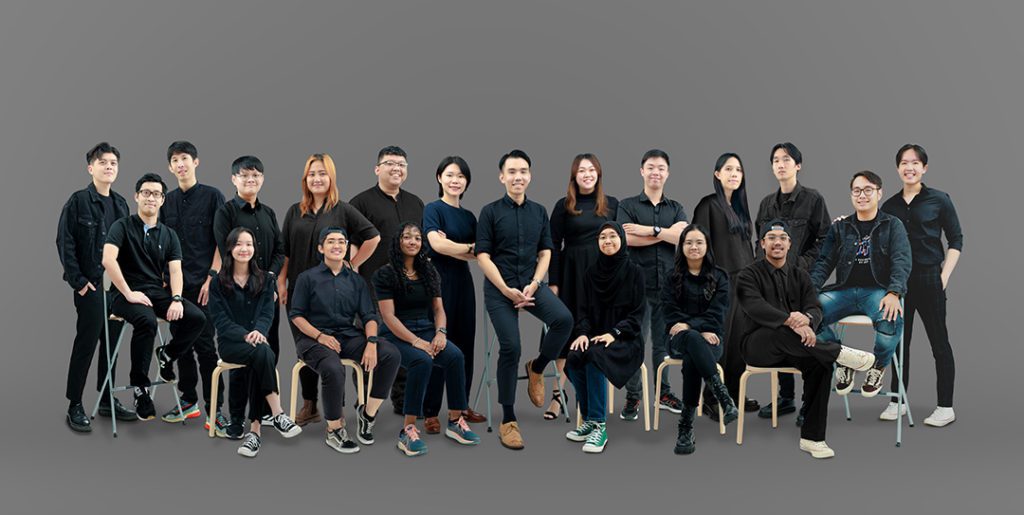
Vivid Media is a Singapore-based media production company with more than a decade of experience across corporate and creative video production, corporate photography, event photography and videography, and live streaming for virtual and hybrid events. The team has worked with a wide range of organizations, including healthcare institutions and research bodies, on communication‑focused productions that bring clarity, empathy, and professionalism to complex subjects.

